
Tips for Wearing High Heels Without Long-Term Back Pain
High heels are a timeless fashion statement. Whether you're attending a wedding, heading to the office, or dressing up for a special occasion, a great pair of heels can boost confidence and complement almost any outfit. However, while high heels may enhance your appearance, they can also place significant stress on your feet, ankles, knees, hips, and spine if worn frequently or incorrectly.
11/18/20235 min read
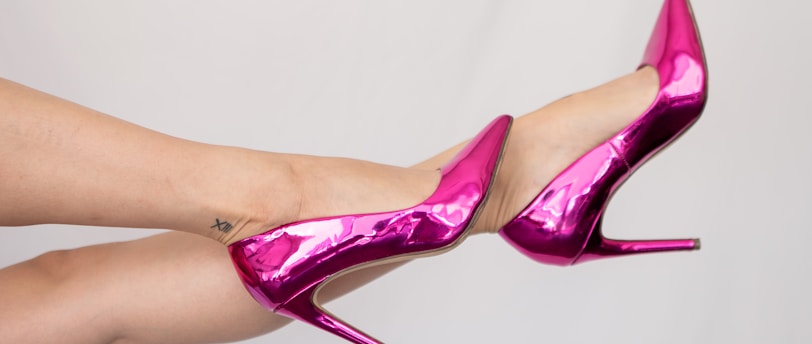

How to Wear High Heels Without Causing Long-Term Back Pain
High heels are a timeless fashion statement. Whether you're attending a wedding, heading to the office, or dressing up for a special occasion, a great pair of heels can boost confidence and complement almost any outfit. However, while high heels may enhance your appearance, they can also place significant stress on your feet, ankles, knees, hips, and spine if worn frequently or incorrectly.
Many people experience aching feet after wearing heels, but few realise that the effects can travel much higher up the body. Persistent use of high heels may contribute to muscle tightness, altered posture, lower back pain, and even long-term musculoskeletal problems.
The good news is that you don't necessarily have to give up wearing heels altogether. By understanding how high heels affect your body and following a few practical strategies, you can significantly reduce the risk of developing back pain while still enjoying your favourite footwear.
Why Do High Heels Cause Back Pain?
Your body is designed to stand with your weight distributed evenly across your feet. High heels change this natural alignment by shifting your body weight forward onto the balls of your feet.
To compensate for this forward shift:
Your ankles remain in a pointed position.
Your calves become tighter.
Your knees often stay slightly bent.
Your pelvis tilts forward.
Your lower back increases its natural curve.
Your spinal muscles work harder to keep you balanced.
These changes increase the workload on the muscles and joints throughout your body. Over time, repeated stress may lead to:
Lower back pain
Neck and shoulder tension
Hip discomfort
Knee pain
Foot pain
Muscle fatigue
Reduced balance
For individuals who already suffer from back pain or have underlying spinal conditions, high heels may aggravate symptoms even further.
1. Choose the Correct Size and Fit
One of the most common mistakes people make is purchasing shoes based on appearance rather than comfort.
Shoes that are too small compress the toes and increase pressure on the forefoot, while shoes that are too large allow the foot to slide forward, forcing your muscles to work harder to maintain stability.
When choosing high heels:
Measure your feet regularly, as foot size can change with age.
Try shoes on later in the day when your feet are naturally slightly swollen.
Ensure there is enough room around your toes.
Avoid excessively narrow toe boxes.
Make sure the heel fits securely without slipping.
A properly fitted shoe helps maintain better alignment and reduces unnecessary strain on your back.
2. Choose Moderate Heel Heights
Higher heels create greater changes in posture and increase stress throughout the body.
As heel height increases:
Pressure on the forefoot rises dramatically.
Balance becomes more challenging.
Muscle fatigue develops more quickly.
Spinal alignment becomes increasingly altered.
If possible, choose heels between 2 and 3 inches (5–7.5 cm). These provide a more comfortable compromise between style and function.
Block heels, wedges, and platform shoes are often better options than very thin stilettos because they provide:
Better stability
Larger contact area
Reduced pressure on the foot
Improved balance
3. Invest in Supportive Insoles
Modern shoe inserts can make a remarkable difference in comfort.
Supportive insoles designed specifically for high heels help by:
Providing cushioning beneath the forefoot
Supporting the arch
Improving pressure distribution
Reducing impact during walking
Increasing comfort during prolonged standing
Gel pads placed beneath the ball of the foot are particularly useful for people who spend long hours standing in heels.
While insoles cannot completely eliminate the effects of high heels, they can significantly improve comfort and reduce fatigue.
4. Limit the Time You Spend Wearing High Heels
Even the most comfortable pair of heels places additional stress on your body.
Whenever possible:
Alternate between heels and flat shoes during the day.
Carry comfortable trainers or supportive flats for commuting.
Change into heels only when necessary.
Avoid wearing high heels for an entire day if possible.
If your work requires formal footwear, consider wearing supportive shoes during breaks or while travelling to and from work.
Reducing total wearing time can substantially decrease the cumulative stress placed on your spine.
5. Take Regular Movement Breaks
Remaining in one position for prolonged periods is harmful regardless of footwear.
If you're wearing heels:
Sit down whenever possible.
Remove your shoes during breaks.
Stretch your feet and ankles.
Walk barefoot for a few minutes if appropriate.
Perform gentle calf stretches.
These short breaks help restore circulation, reduce muscle tension, and relieve pressure on your spine.
6. Stretch Your Calf Muscles Daily
High heels keep the calf muscles in a shortened position.
Over time, this can lead to:
Tight calf muscles
Reduced ankle mobility
Achilles tendon tightness
Altered walking mechanics
Simple calf stretches performed daily can help maintain flexibility.
Examples include:
Wall calf stretch
Step stretch
Downward dog yoga pose
Hold each stretch for 20–30 seconds and repeat 2–3 times on each leg.
7. Strengthen Your Core and Back Muscles
A strong core provides essential support for your spine.
When your abdominal and back muscles are weak, wearing heels may place even greater stress on your lower back.
Exercises that improve spinal stability include:
Planks
Side planks
Bird-dog exercise
Glute bridges
Dead bugs
Back extensions
Strengthening your hips and gluteal muscles is equally important, as these muscles help maintain proper pelvic alignment while walking.
8. Improve Your Walking Technique
Walking in high heels requires slightly different mechanics than walking barefoot or in trainers.
Try to:
Walk with shorter steps.
Land gently on the heel before transferring weight forward.
Keep your shoulders relaxed.
Look ahead rather than down.
Engage your abdominal muscles.
Avoid locking your knees.
Good walking technique reduces unnecessary strain on your spine and helps improve balance.
9. Alternate Your Footwear
Wearing high heels every day increases cumulative stress on your muscles and joints.
Instead, rotate between:
Supportive trainers
Flat shoes
Low heels
Block heels
High heels
Giving your feet different movement patterns throughout the week allows muscles and tendons to recover more effectively.
10. Listen to Your Body
Pain should never be ignored.
If you experience:
Persistent lower back pain
Pain radiating into your legs
Foot numbness
Severe calf tightness
Balance problems
Increasing discomfort after wearing heels
it may be time to reduce heel use and seek assessment from a physiotherapist.
Early treatment often prevents minor issues from becoming chronic conditions.
When Should You See a Physiotherapist?
If your back pain continues despite making changes to your footwear, a physiotherapist can help identify the underlying cause.
A comprehensive assessment may include:
Posture evaluation
Walking and gait analysis
Muscle strength testing
Joint mobility assessment
Foot biomechanics
Flexibility testing
Treatment may involve:
Manual therapy
Individualised exercise programmes
Core strengthening
Balance training
Postural correction
Footwear advice
Stretching programmes
Addressing these issues early can reduce pain and help prevent recurring problems.
Tips for Special Occasions
If you know you'll be wearing heels for an extended event:
Wear them in around the house beforehand.
Pack comfortable flats for later in the evening.
Stretch before and after the event.
Stay hydrated.
Avoid standing still for long periods.
Sit down whenever possible.
Massage your feet after removing your shoes.
Small habits like these can make a noticeable difference in how your body feels the next day.
Final Thoughts
High heels don't have to be the enemy of your spinal health. While they naturally alter posture and increase the workload on your muscles and joints, sensible choices can dramatically reduce the risk of long-term back pain.
Choosing properly fitted shoes, opting for moderate heel heights, using supportive insoles, strengthening your core, stretching regularly, and limiting the amount of time spent in heels are all practical ways to protect your spine without sacrificing style.
If wearing heels consistently leaves you with persistent back pain, foot discomfort, or changes in your walking pattern, it is worth seeking advice from a qualified physiotherapist. Early assessment and personalised treatment can help you stay comfortable, active, and confident—whether you're wearing trainers or your favourite pair of heels.


E-mail : info@physionetwork.co.uk
Professional Home Physiotherapy Services Across Hertfordshire
© 2026 Physio Network UK. All Rights Reserved.
HCPC Registered Physiotherapist | NHS Experienced | DBS Checked | Fully Insured