The Importance of Physiotherapy After Knee Replacement Surgery
Knee replacement surgery can significantly reduce pain and improve quality of life, but successful recovery depends on effective rehabilitation. Post-operative physiotherapy plays a vital role in restoring movement, strength, and function following surgery.
6/28/20264 min read
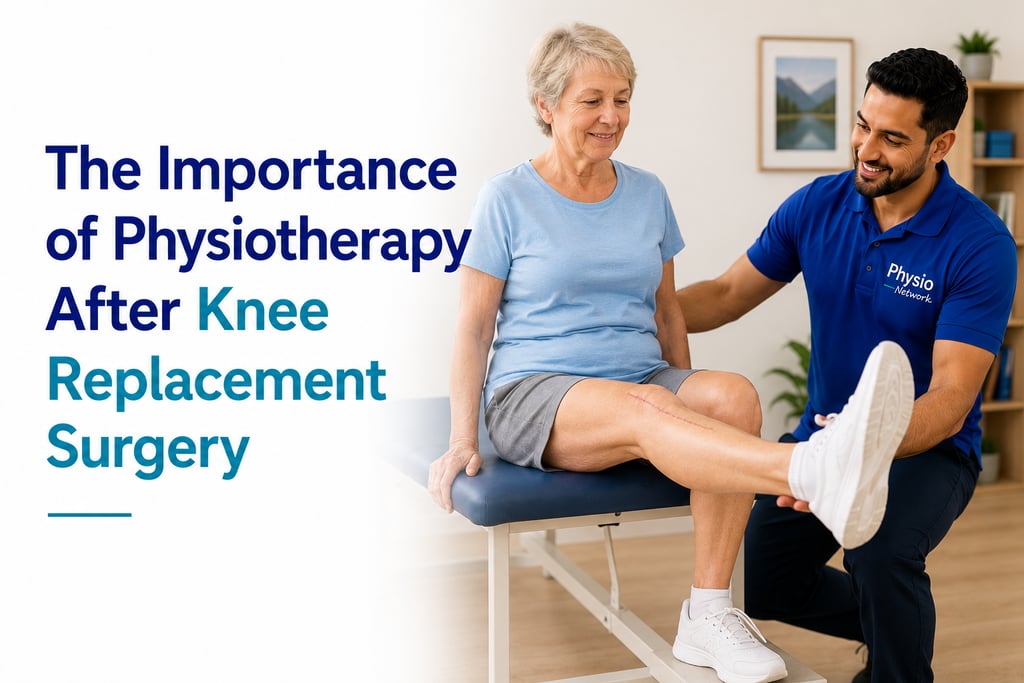
The Importance of Physiotherapy After Knee Replacement Surgery
Knee replacement surgery is one of the most successful procedures for reducing pain and improving mobility in people with severe knee arthritis and other debilitating joint conditions. However, the surgery itself is only the first step towards recovery. Physiotherapy plays a vital role in restoring strength, movement, function, and confidence after knee replacement surgery.
Whether you've recently undergone a total knee replacement or are preparing for surgery, understanding the importance of rehabilitation can help you achieve the best possible outcome.
Why Is Physiotherapy Essential After Knee Replacement?
Following knee replacement surgery, it is normal to experience:
Pain and swelling
Knee stiffness
Muscle weakness
Reduced balance
Difficulty walking
Limited confidence with daily activities
Without structured rehabilitation, these problems can delay recovery and reduce the long-term benefits of surgery.
A personalised physiotherapy programme helps patients regain normal movement safely while reducing complications.
Benefits of Physiotherapy After Knee Replacement
1. Reduces Pain and Swelling
Early physiotherapy promotes circulation, reduces swelling, and helps manage post-operative pain through gentle exercises, movement, and advice on positioning and ice therapy.
Reducing swelling also allows the knee to move more freely and comfortably.
2. Restores Knee Movement
Regaining knee movement is one of the most important goals during rehabilitation.
Physiotherapists guide patients through exercises designed to improve:
Knee bending (flexion)
Knee straightening (extension)
Joint mobility
Soft tissue flexibility
Achieving good range of motion early can significantly improve long-term function.
3. Rebuilds Muscle Strength
Following surgery, the muscles surrounding the knee—particularly the quadriceps, hamstrings, gluteal muscles, and calf muscles—become weaker due to pain and reduced activity.
Strengthening exercises help restore:
Walking ability
Stair climbing
Standing from chairs
Balance
Overall mobility
Progressive strengthening is introduced according to each patient's stage of recovery.
4. Improves Walking Pattern
Many patients develop an altered walking pattern before surgery because of pain.
Physiotherapy focuses on:
Correct walking technique
Weight-bearing progression
Walking without limping
Safe use of walking aids
Progression from frames to crutches or sticks where appropriate
Restoring a normal gait reduces strain on other joints such as the hips and lower back.
5. Improves Balance and Confidence
After surgery, balance and coordination often decline due to muscle weakness and reduced confidence.
Physiotherapists introduce exercises to improve:
Static balance
Dynamic balance
Stability during walking
Confidence when moving outdoors
Better balance also reduces the risk of falls.
6. Supports Return to Daily Activities
Rehabilitation is not only about exercises.
Physiotherapists help patients safely return to everyday activities such as:
Getting in and out of bed
Standing from chairs
Using stairs
Dressing
Shopping
Driving (when medically appropriate)
Returning to hobbies and recreational activities
Treatment is tailored to each individual's goals and lifestyle.
7. Prevents Long-Term Stiffness
One of the biggest concerns following knee replacement is persistent stiffness.
Regular physiotherapy encourages continuous movement, helping prevent excessive scar tissue formation while improving flexibility and function.
Early rehabilitation often leads to better long-term results.
What Happens During Physiotherapy?
A physiotherapist will carry out a comprehensive assessment before developing an individual rehabilitation programme.
Treatment may include:
Range of motion exercises
Strengthening exercises
Walking practice
Balance training
Stair practice
Functional mobility training
Swelling management
Pain management advice
Home exercise programme
Education on activity progression
The programme is gradually progressed as strength and mobility improve.
The Benefits of Home Physiotherapy
Many patients find travelling difficult during the early stages of recovery.
Home physiotherapy offers several advantages:
Rehabilitation in the comfort of your own home
No need to travel soon after surgery
Personalised treatment in your everyday environment
Assessment of stairs and home safety
Advice for carers and family members
Greater convenience and flexibility
Home visits also allow physiotherapists to address real-life functional challenges within the patient's own surroundings.
Tips for a Successful Recovery
To maximise your recovery after knee replacement surgery:
Follow your physiotherapy programme consistently.
Perform your prescribed home exercises every day.
Stay active while avoiding excessive strain.
Use walking aids as recommended.
Manage swelling with rest, elevation, and ice when advised.
Attend all follow-up appointments.
Be patient—recovery takes time.
Most people continue improving for up to 12 months following surgery.
When Should Physiotherapy Begin?
Rehabilitation usually begins within 24 hours after surgery in hospital and should continue after discharge.
Ongoing physiotherapy helps patients progress through each stage of recovery safely while achieving the best possible functional outcome.
Early intervention is associated with faster recovery, improved mobility, and greater long-term satisfaction.
Why Choose Physio Network?
At Physio Network, we provide expert home visiting post-operative physiotherapy throughout Hertfordshire, supporting patients recovering from knee replacement surgery in the comfort of their own homes.
Our HCPC-registered physiotherapists develop personalised rehabilitation programmes focused on:
Restoring knee movement
Strengthening muscles
Improving walking and balance
Regaining independence
Returning to everyday activities with confidence
We work closely with each patient to ensure rehabilitation is safe, effective, and tailored to their individual goals.
Conclusion
Knee replacement surgery can significantly improve quality of life, but successful recovery depends on effective rehabilitation. Physiotherapy helps restore movement, strength, balance, and confidence while reducing pain and improving long-term outcomes.
Whether you are preparing for surgery or recovering afterwards, working with an experienced physiotherapist can make a substantial difference to your recovery journey.
If you are looking for home physiotherapy after knee replacement surgery in Hertfordshire, Physio Network is here to help you regain your mobility and return to the activities you enjoy.




E-mail : info@physionetwork.co.uk
Professional Home Physiotherapy Services Across Hertfordshire
© 2026 Physio Network UK. All Rights Reserved.
HCPC Registered Physiotherapist | NHS Experienced | DBS Checked | Fully Insured