Recovering Faster After Shoulder Surgery with Physiotherapy
Shoulder surgery may be performed to treat conditions such as rotator cuff injuries, shoulder instability, fractures, or arthritis. Following surgery, physiotherapy is essential for restoring movement, strength, and function while ensuring optimal recovery.
6/13/20263 min read
Recovering Faster After Shoulder Surgery with Physiotherapy
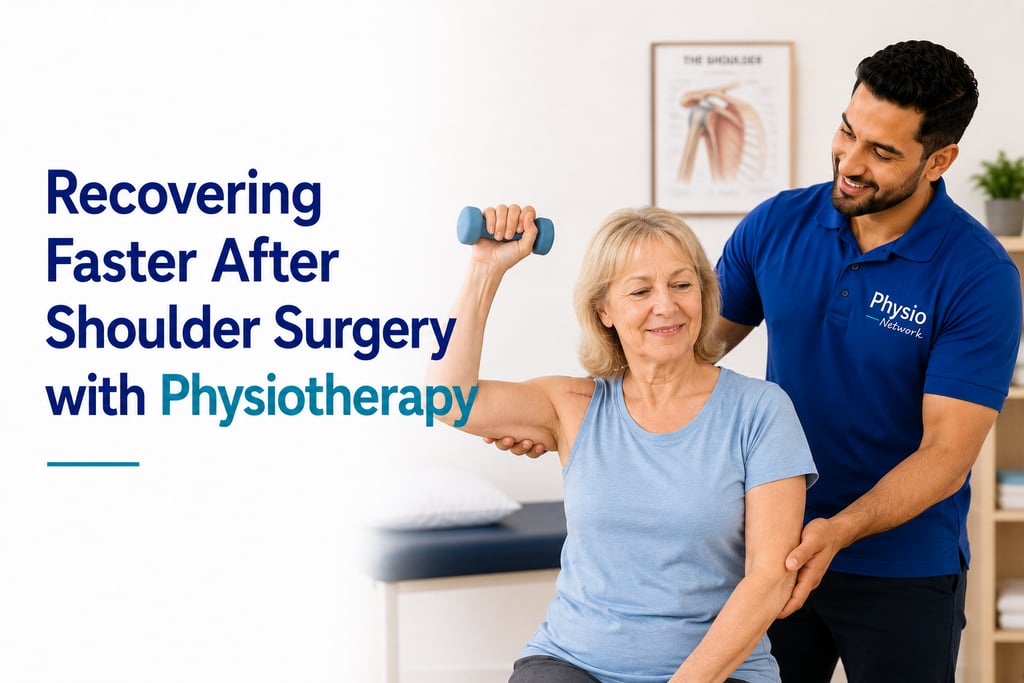
Shoulder surgery is often the first step towards relieving pain and restoring function, but the operation itself is only part of the recovery journey. Whether you have undergone surgery for a rotator cuff tear, shoulder instability, frozen shoulder, arthritis, or a fracture, successful rehabilitation depends heavily on a structured physiotherapy programme.
Post-operative physiotherapy plays a vital role in helping patients regain movement, rebuild strength, reduce pain, and return to their normal daily activities safely. At Physio Network, we provide professional home-based post-operative physiotherapy across Hertfordshire, allowing patients to recover comfortably in their own homes with expert guidance every step of the way.
Why Physiotherapy Is Essential After Shoulder Surgery
The shoulder is the most mobile joint in the human body. This incredible range of motion also makes it one of the most complex joints to rehabilitate after surgery.
Following an operation, it is common to experience:
Pain and swelling
Reduced shoulder movement
Muscle weakness
Joint stiffness
Difficulty using the arm for everyday tasks
Without appropriate rehabilitation, these problems may persist for months and can significantly delay recovery. Physiotherapy helps restore normal shoulder mechanics while protecting the surgical repair during healing.
Common Shoulder Surgeries That Require Rehabilitation
Physiotherapy is recommended after many different shoulder procedures, including:
Rotator cuff repair
Shoulder stabilisation surgery
Labral repair
Shoulder replacement surgery
Arthroscopic decompression
Frozen shoulder release
Fracture fixation surgery
Acromioclavicular (AC) joint reconstruction
Biceps tendon repair
Each procedure has its own rehabilitation protocol, and your physiotherapist will tailor your treatment according to your surgeon's recommendations.
The Stages of Shoulder Rehabilitation
Recovery does not happen overnight. Rehabilitation usually progresses through several carefully planned phases.
Phase 1: Protection and Pain Management
During the first few weeks after surgery, protecting the repaired tissues is the priority.
Your physiotherapist will help you:
Manage pain and swelling
Maintain safe shoulder positioning
Protect the surgical repair
Perform gentle mobility exercises
Prevent stiffness in the neck, elbow, wrist, and hand
Most patients wear a sling during this stage, depending on the surgical procedure performed.
Phase 2: Restoring Shoulder Movement
Once healing has progressed sufficiently, exercises begin to restore range of motion.
Treatment may include:
Passive shoulder movements
Assisted exercises
Gentle stretching
Scapular control exercises
Postural correction
Regaining movement gradually helps reduce stiffness while avoiding excessive stress on healing tissues.
Phase 3: Strengthening the Shoulder
As healing continues, strengthening exercises become increasingly important.
The physiotherapy programme focuses on improving:
Rotator cuff strength
Shoulder blade stability
Upper arm muscle function
Core stability
Shoulder endurance
Strengthening exercises are progressed carefully to ensure safe healing.
Functional Rehabilitation
The ultimate goal of physiotherapy is helping patients return to everyday life.
Functional rehabilitation includes exercises that improve the ability to:
Dress independently
Wash and groom
Reach overhead
Lift shopping bags
Carry household items
Drive safely
Return to work
Resume recreational activities
Your physiotherapist will tailor exercises to your personal goals and lifestyle.
Benefits of Home Physiotherapy After Shoulder Surgery
Travelling soon after surgery can be uncomfortable and challenging.
Home physiotherapy provides several advantages:
Greater Comfort
Recover in the familiar surroundings of your own home without the stress of travelling to appointments.
Personalised Care
Your physiotherapist can assess how you move within your own environment and provide practical advice specific to your home.
Reduced Travel Stress
Avoid unnecessary discomfort, especially during the early stages when movement is limited.
Individual Attention
Home visits allow one-to-one treatment sessions with exercises adapted to your progress.
Family Involvement
Family members or carers can learn how to assist safely with exercises and daily activities if required.
Common Challenges During Recovery
Many patients worry when recovery seems slow.
Some common concerns include:
Shoulder stiffness
Night pain
Weakness
Limited overhead movement
Fear of damaging the repair
These challenges are normal, and regular physiotherapy helps patients progress safely while building confidence in using the shoulder again.
Tips for a Successful Recovery
Following your rehabilitation plan can make a significant difference to your outcome.
To optimise recovery:
Attend all physiotherapy sessions
Perform your home exercises consistently
Follow your surgeon's instructions
Wear your sling as advised
Avoid lifting too early
Maintain good posture
Stay patient throughout the healing process
Recovery timelines vary, and every patient progresses at a different pace.
How Long Does Recovery Take?
Recovery depends on the type of surgery performed, your age, overall health, and commitment to rehabilitation.
As a general guide:
Minor arthroscopic procedures: 6–12 weeks
Rotator cuff repair: 4–6 months
Shoulder replacement: 4–6 months
Complex reconstructions: Up to 12 months for full recovery
Although pain often improves within the first few weeks, rebuilding strength and restoring full function requires ongoing rehabilitation.
Why Choose Physio Network?
At Physio Network, we understand that recovering after shoulder surgery can be challenging. Our experienced physiotherapists provide evidence-based rehabilitation tailored to your surgical procedure, recovery stage, and personal goals.
Our home-based post-operative physiotherapy service offers:
Comprehensive post-operative assessments
Personalised rehabilitation programmes
Progressive strengthening exercises
Pain management strategies
Functional rehabilitation
Regular progress monitoring
Advice for safe return to work, hobbies, and daily activities
We work closely with patients to maximise recovery while protecting the healing shoulder throughout every stage of rehabilitation.
Start Your Recovery with Expert Physiotherapy
Shoulder surgery is only the beginning of your recovery. The quality of your rehabilitation plays a major role in determining your long-term outcome. With expert physiotherapy, patience, and consistent exercise, most patients can regain excellent shoulder function and return to the activities they enjoy.
If you or a family member is recovering from shoulder surgery, Physio Network is here to help. Our experienced physiotherapists provide professional home-based post-operative rehabilitation throughout Hertfordshire, delivering personalised care in the comfort of your own home.
Visit www.physionetwork.co.uk to learn more about our Post Operative Physiotherapy service and book your home physiotherapy appointment today.
E-mail : info@physionetwork.co.uk
Professional Home Physiotherapy Services Across Hertfordshire
© 2026 Physio Network UK. All Rights Reserved.
HCPC Registered Physiotherapist | NHS Experienced | DBS Checked | Fully Insured