
Post-Operative Physiotherapy Following Hip Replacement Surgery
Hip replacement surgery is one of the most successful orthopaedic procedures for reducing pain and improving mobility. However, surgery is only the first step in the recovery process. Post-operative physiotherapy plays a crucial role in helping patients regain strength, movement, and confidence following hip replacement surgery.
6/12/20264 min read
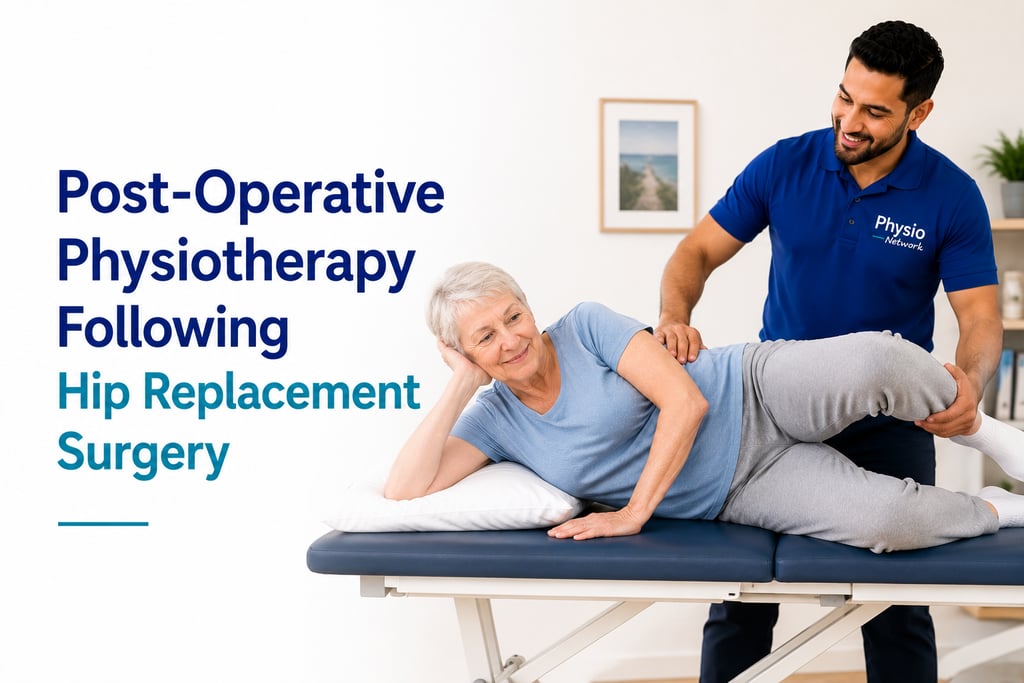
Post-Operative Physiotherapy Following Hip Replacement Surgery: A Complete Guide to Recovery
Hip replacement surgery is one of the most effective treatments for relieving chronic hip pain and restoring mobility in people living with severe arthritis, fractures, or other degenerative hip conditions. While the surgery itself replaces the damaged joint, achieving the best possible outcome depends heavily on the rehabilitation that follows. Post-operative physiotherapy is essential for helping patients regain strength, improve mobility, restore confidence, and return to everyday activities safely.
Whether you have recently undergone a total hip replacement or are preparing for surgery, understanding the importance of physiotherapy can help you recover more quickly and achieve long-lasting results.
Why Is Physiotherapy Important After Hip Replacement Surgery?
A hip replacement removes the damaged parts of the hip joint and replaces them with artificial components. Although this significantly reduces pain, the muscles, ligaments, and surrounding tissues still require time to heal.
Without appropriate rehabilitation, patients may experience:
Muscle weakness
Joint stiffness
Poor balance
Difficulty walking
Reduced confidence
Increased risk of falls
Delayed return to daily activities
Physiotherapy bridges the gap between surgery and full recovery by guiding patients through each stage of rehabilitation with safe, progressive exercises and functional training.
Common Reasons for Hip Replacement Surgery
Hip replacement surgery is commonly performed for people with:
Osteoarthritis
Rheumatoid arthritis
Hip fractures
Avascular necrosis
Severe joint degeneration
Chronic hip pain affecting quality of life
Most patients experience significant pain relief after surgery, but regaining normal function requires commitment to a structured rehabilitation programme.
The Early Recovery Phase
The first few weeks after surgery are focused on protecting the new joint while encouraging safe movement.
During this stage, it is normal to experience:
Pain around the surgical site
Swelling
Bruising
Reduced hip movement
Muscle weakness
Difficulty walking
Fatigue
Physiotherapy begins shortly after surgery, often within the first day, depending on your surgeon's advice.
The primary goals during early rehabilitation include:
Managing pain and swelling
Improving circulation
Preventing stiffness
Encouraging safe walking
Reducing the risk of blood clots
Maintaining independence
Your Initial Physiotherapy Assessment
Every patient's recovery is different, which is why rehabilitation should always be individualised.
During your first physiotherapy assessment, your physiotherapist will evaluate:
Hip movement
Muscle strength
Walking pattern (gait)
Balance
Functional mobility
Pain levels
Ability to perform everyday activities
Home environment and safety
This assessment forms the basis of a personalised rehabilitation programme designed around your recovery goals.
Gentle Exercises in the Early Stages
Early exercises help stimulate circulation, reduce stiffness, and maintain muscle activity without placing excessive stress on the new joint.
Examples include:
Ankle Pumps
Regular ankle movements improve circulation and help reduce the risk of blood clots.
Quadriceps Exercises
Gentle tightening of the thigh muscles helps maintain strength and supports the knee and hip.
Gluteal Squeezes
Activating the buttock muscles promotes stability around the new hip.
Heel Slides
Controlled bending of the hip and knee helps restore joint movement.
Standing Weight Shifts
These exercises improve balance and prepare patients for walking.
All exercises should be performed according to the advice of your physiotherapist and surgeon.
Restoring Your Walking Pattern
Many people develop abnormal walking patterns before surgery because of pain. These compensatory movements often continue after surgery unless they are corrected.
Physiotherapists provide gait re-education to help patients:
Walk more naturally
Improve posture
Increase walking distance
Reduce limping
Improve confidence
Walking aids such as crutches or walking frames are gradually reduced as strength and balance improve.
Strengthening the Hip Muscles
As healing progresses, strengthening exercises become increasingly important.
The muscles surrounding the hip provide stability and help protect the new joint during movement.
Strengthening programmes often target:
Gluteal muscles
Hip abductors
Hip extensors
Quadriceps
Hamstrings
Core muscles
Improved muscle strength contributes to:
Better walking
Easier stair climbing
Improved balance
Reduced joint stress
Greater independence
Improving Balance and Stability
Balance is often reduced after surgery due to muscle weakness and altered movement patterns.
Physiotherapy includes exercises designed to improve:
Standing balance
Weight transfer
Single-leg stability (when appropriate)
Coordination
Confidence during walking
Good balance significantly reduces the risk of falls, particularly in older adults.
Functional Rehabilitation
Recovery is about much more than exercises.
Physiotherapists help patients regain confidence in performing everyday activities such as:
Getting in and out of bed
Standing from a chair
Using the toilet safely
Walking outdoors
Climbing stairs
Entering and exiting a car
Shopping
Household activities
Functional rehabilitation focuses on restoring independence as quickly and safely as possible.
Benefits of Home Physiotherapy After Hip Replacement
Many patients find travelling to a clinic difficult during the early stages of recovery.
Home physiotherapy offers several important advantages.
Rehabilitation in Your Own Environment
Treatment takes place where daily activities actually occur, allowing therapists to assess practical challenges that may not be obvious in a clinic.
Personalised Advice
The physiotherapist can identify hazards around the home and recommend strategies to improve safety.
Stair Assessment
Many patients require guidance on safe stair climbing techniques using the layout of their own home.
Transfer Practice
Getting into bed, standing from chairs, and using the bathroom are easier to practise in familiar surroundings.
Increased Comfort
Receiving treatment at home removes the need for unnecessary travel while recovering from surgery.
Pain Management During Recovery
Some discomfort is expected after surgery, but physiotherapy can help reduce pain through:
Gentle movement
Appropriate exercises
Education
Activity pacing
Positioning advice
Ice therapy recommendations
Gradual progression of activity
Remaining active within safe limits often helps reduce stiffness and discomfort more effectively than prolonged rest.
Preventing Complications
One of the major benefits of physiotherapy is reducing the risk of post-operative complications.
Rehabilitation helps prevent:
Joint stiffness
Muscle wasting
Falls
Poor walking mechanics
Reduced mobility
Loss of independence
Blood circulation problems associated with prolonged immobility
Early movement, combined with appropriate exercise, contributes significantly to a successful recovery.
Returning to Everyday Activities
Recovery times vary between individuals depending on age, fitness, overall health, and the type of surgery performed.
Many patients gradually return to activities such as:
Walking independently
Driving (following medical clearance)
Shopping
Gardening
Light household tasks
Social activities
Recreational walking
Your physiotherapist will advise when it is appropriate to progress each activity safely.
Long-Term Recovery
Although many patients notice improvements within the first few weeks, full recovery following hip replacement surgery may continue for several months.
Continuing with prescribed exercises helps maintain:
Joint mobility
Muscle strength
Balance
Flexibility
Overall function
Remaining physically active after recovery also contributes to the long-term success of your hip replacement.
Why Choose Physio Network?
At Physio Network, we provide expert home-based post-operative physiotherapy for patients recovering from hip replacement surgery across Hertfordshire.
Our experienced physiotherapists create personalised rehabilitation programmes tailored to your individual needs and recovery goals. We focus on restoring movement, rebuilding strength, improving confidence, and helping you return to your normal lifestyle as safely and efficiently as possible.
Our home visit physiotherapy service is ideal for patients who may find travelling difficult during the early stages of recovery, allowing rehabilitation to take place in the comfort and safety of their own home.
Start Your Recovery with Professional Physiotherapy
Recovering from hip replacement surgery requires more than time—it requires the right rehabilitation. A structured physiotherapy programme can significantly improve your recovery, helping you regain mobility, reduce pain, rebuild strength, and return to the activities you enjoy.
If you or a family member is recovering from hip replacement surgery and would benefit from professional home physiotherapy, Physio Network is here to help.
Visit www.physionetwork.co.uk to learn more about our Post-Operative Physiotherapy service or contact us today to arrange your home physiotherapy assessment.


E-mail : info@physionetwork.co.uk
Professional Home Physiotherapy Services Across Hertfordshire
© 2026 Physio Network UK. All Rights Reserved.
HCPC Registered Physiotherapist | NHS Experienced | DBS Checked | Fully Insured